.png)
.png) Click to view on YouTube
Click to view on YouTube
Click to view on YouTube
Click to view on YouTube
Click on image to view video on YouTube
My inspirations are mostly rooted from the urge to show the cultrual aspects of the minorities in China. In this case, Kam people are my inspiration. The form of game is inspired from linear narrative games like The remains of Edith Finch. Puzzles and interactions are influenced by escape-room type pf game like the Rusty Lake series.
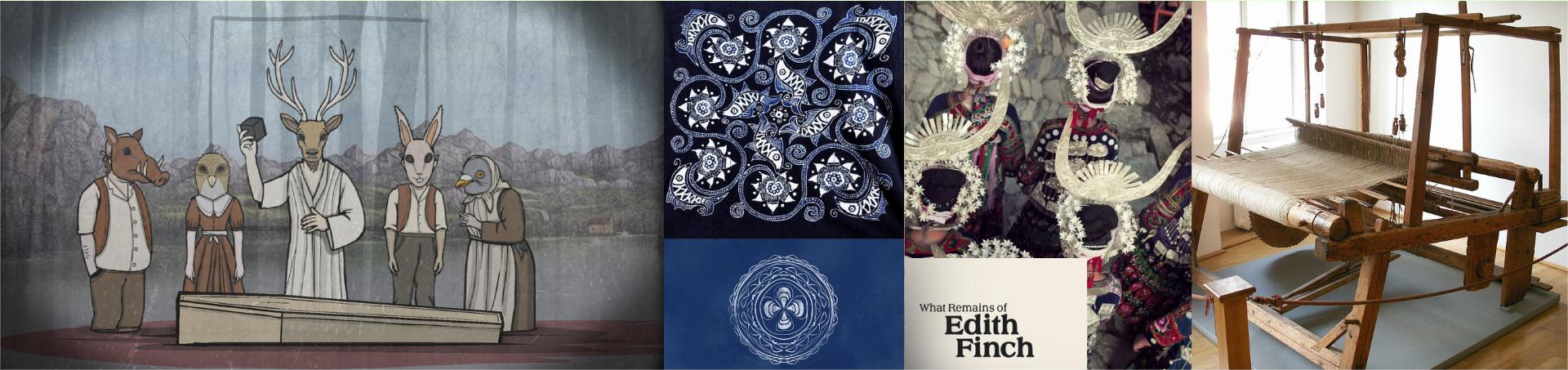
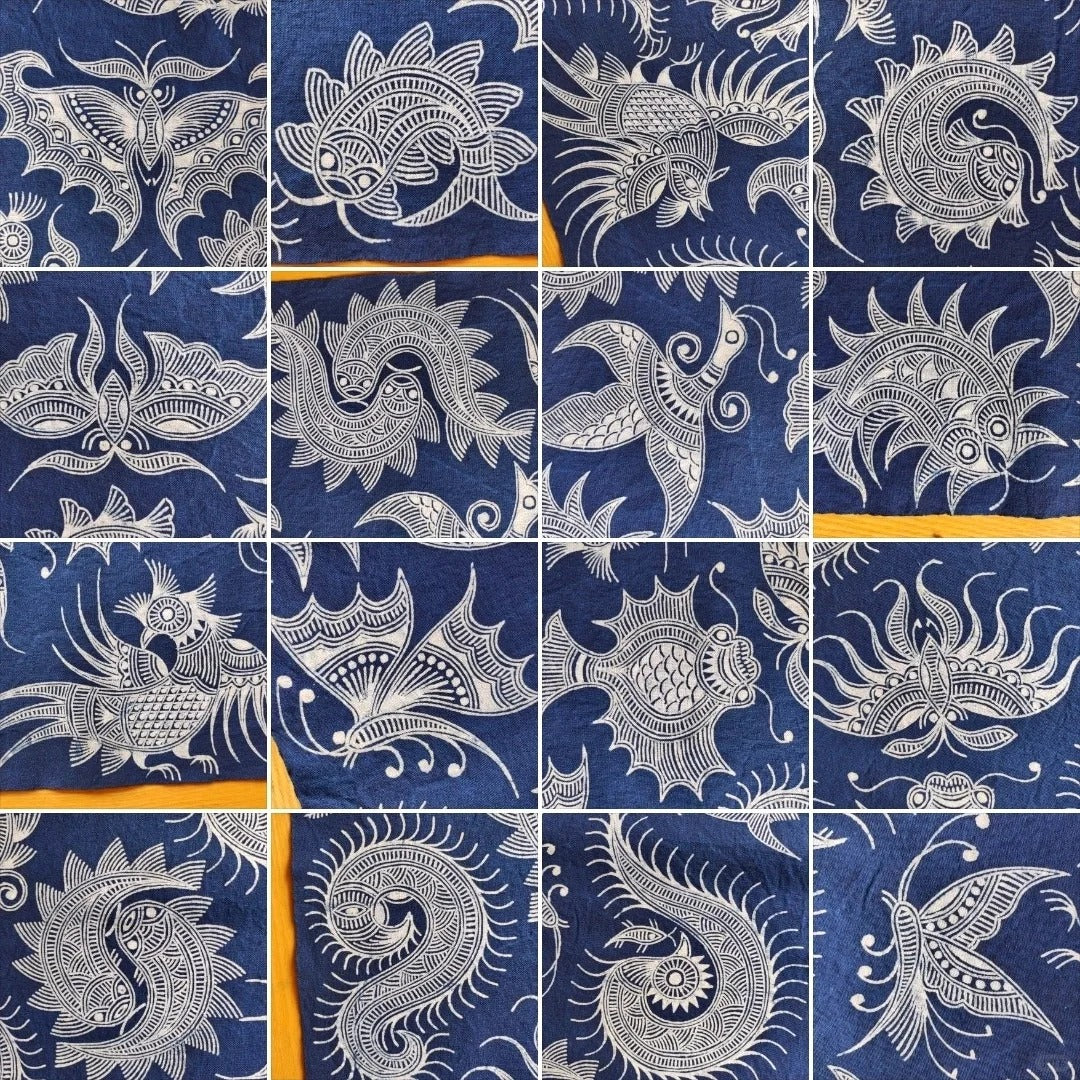
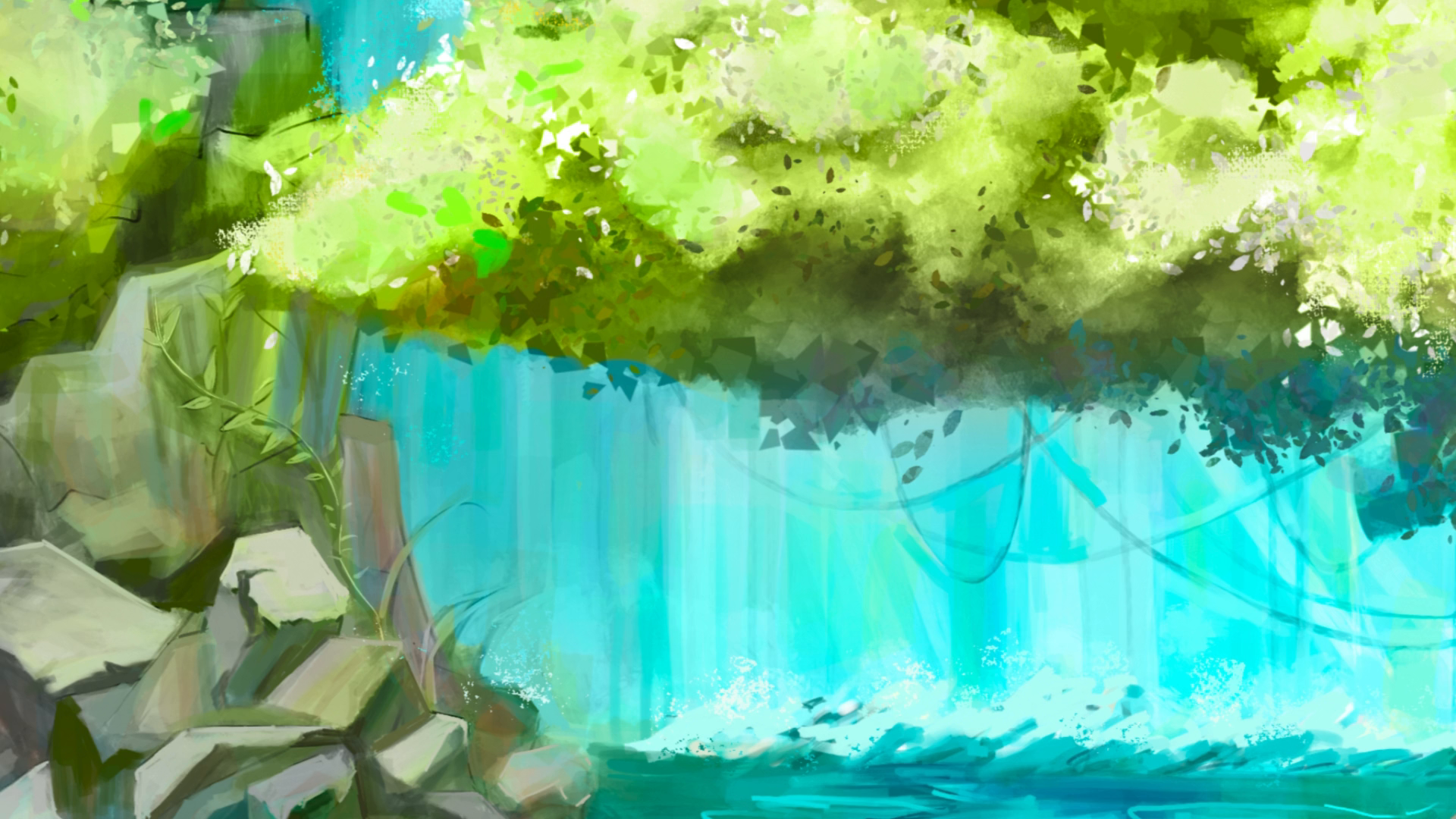
Concept & Visual Language I lightly referenced motifs from the Kam people (侗族), whose cultural traditions often express a deep respect for natural spirits. Batik (蜡染) became one of the visual and puzzle references in the game. I chose the banyan motif for its associations with safety, protection, and the well-being of one’s family. This aligns with the spirit in the story: it always intends to help, but its guidance can still be interpreted differently by individuals in the environment, moreover, by players.
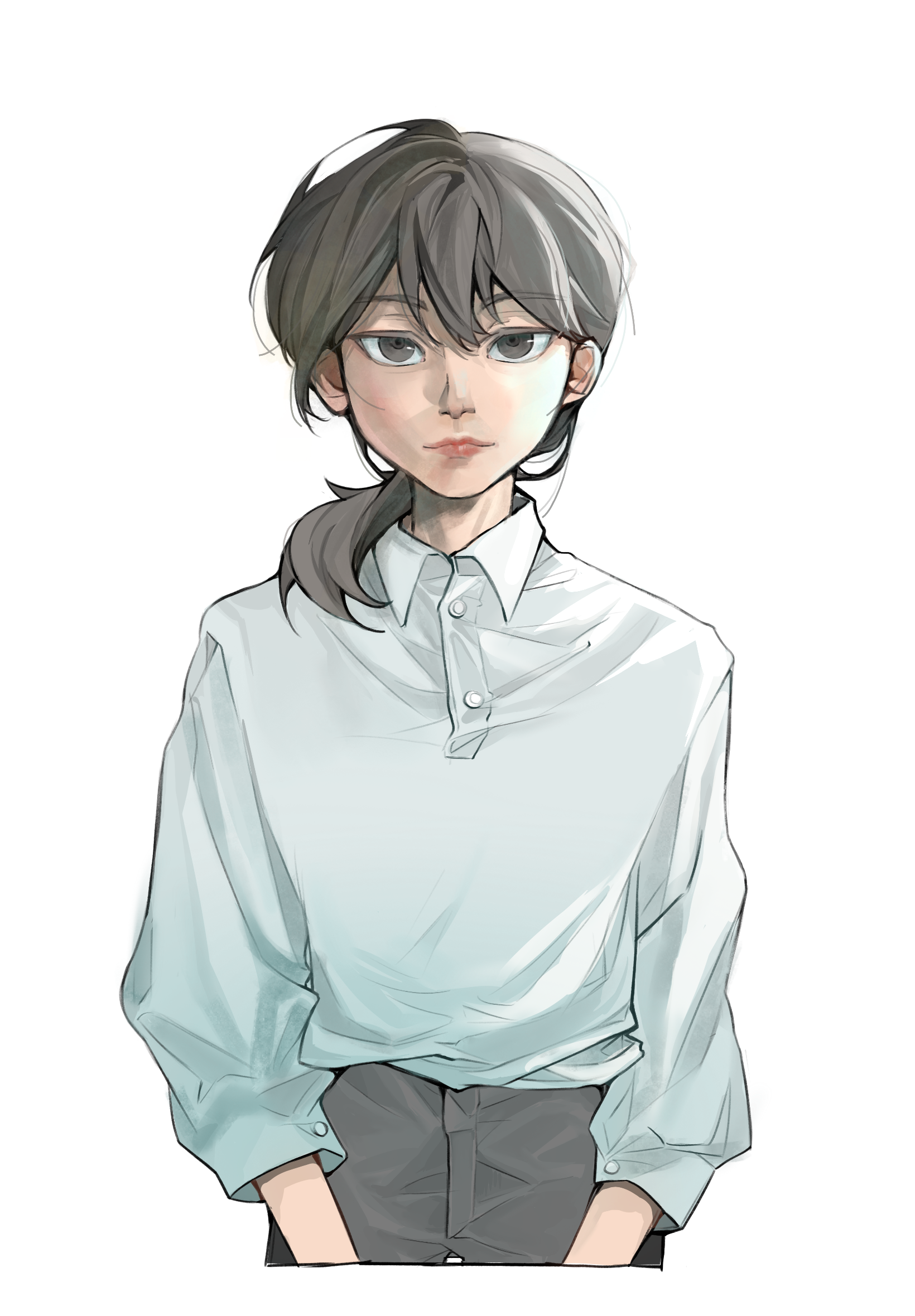
A mediocre researcher in her twenties who studies medicine. While her peers are getting married, she isn’t on that track yet. Her mother urges her to follow social expectations, warning of the terrible fate awaiting those who don’t marry.
Two versions of the heroine exist: one from the modern world and one from the mythic past. Hover to see her development.
Hover to see character development.
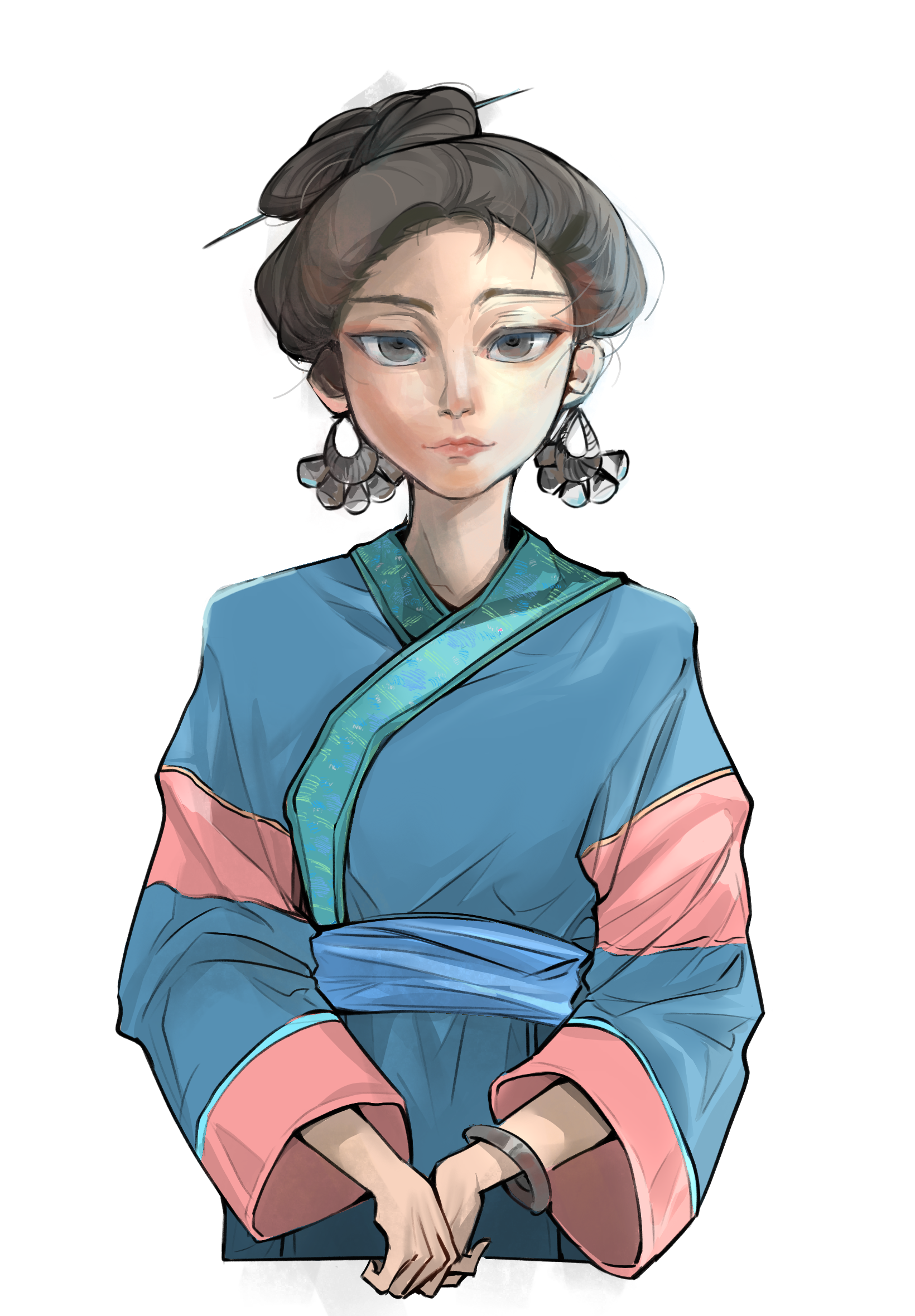
A woman at a marriageable age faces social pressure. After a strange dream, she saves someone from the past and discovers the truth behind society’s false beliefs about individual choice.
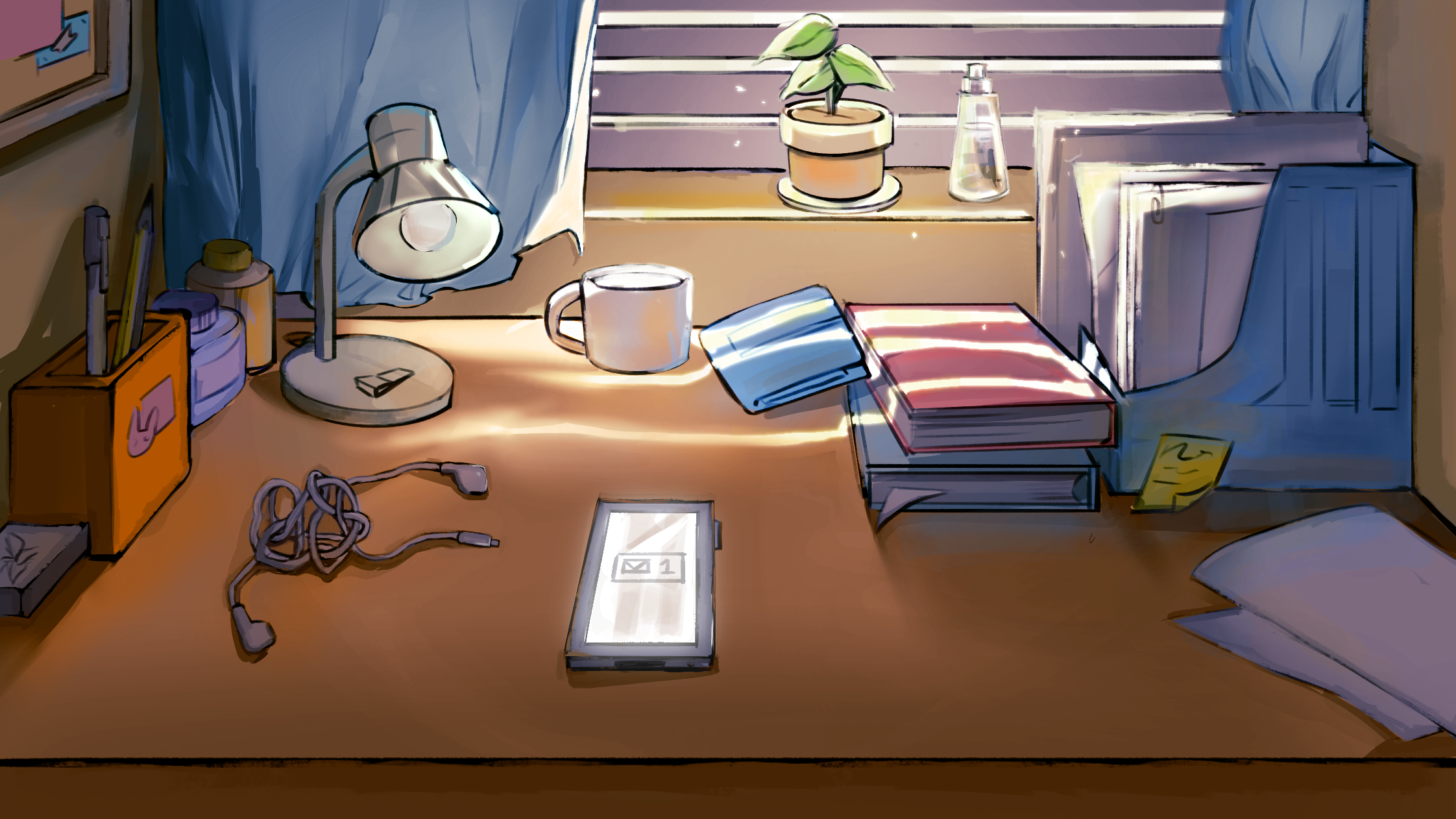
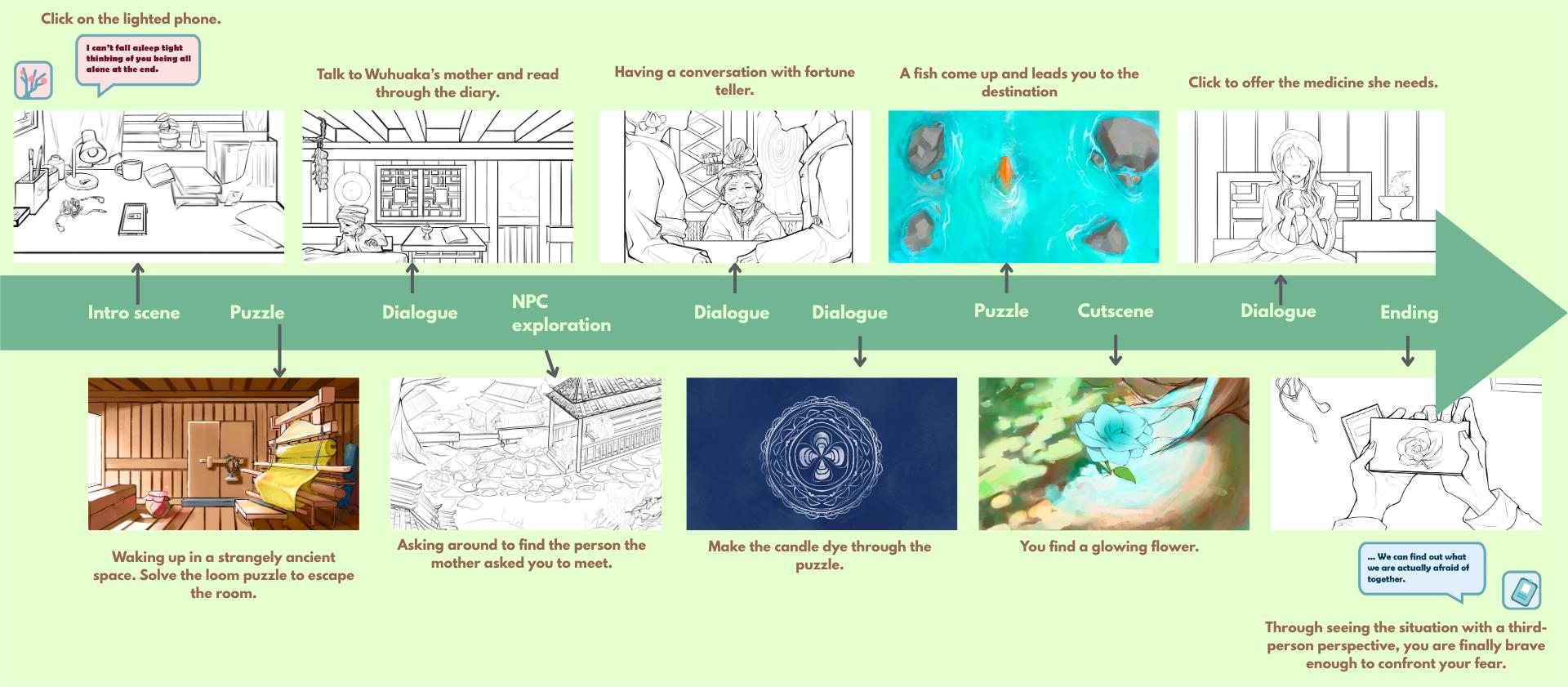
The phone screen lights up. Messages from your mother and friend remind you of social expectations.
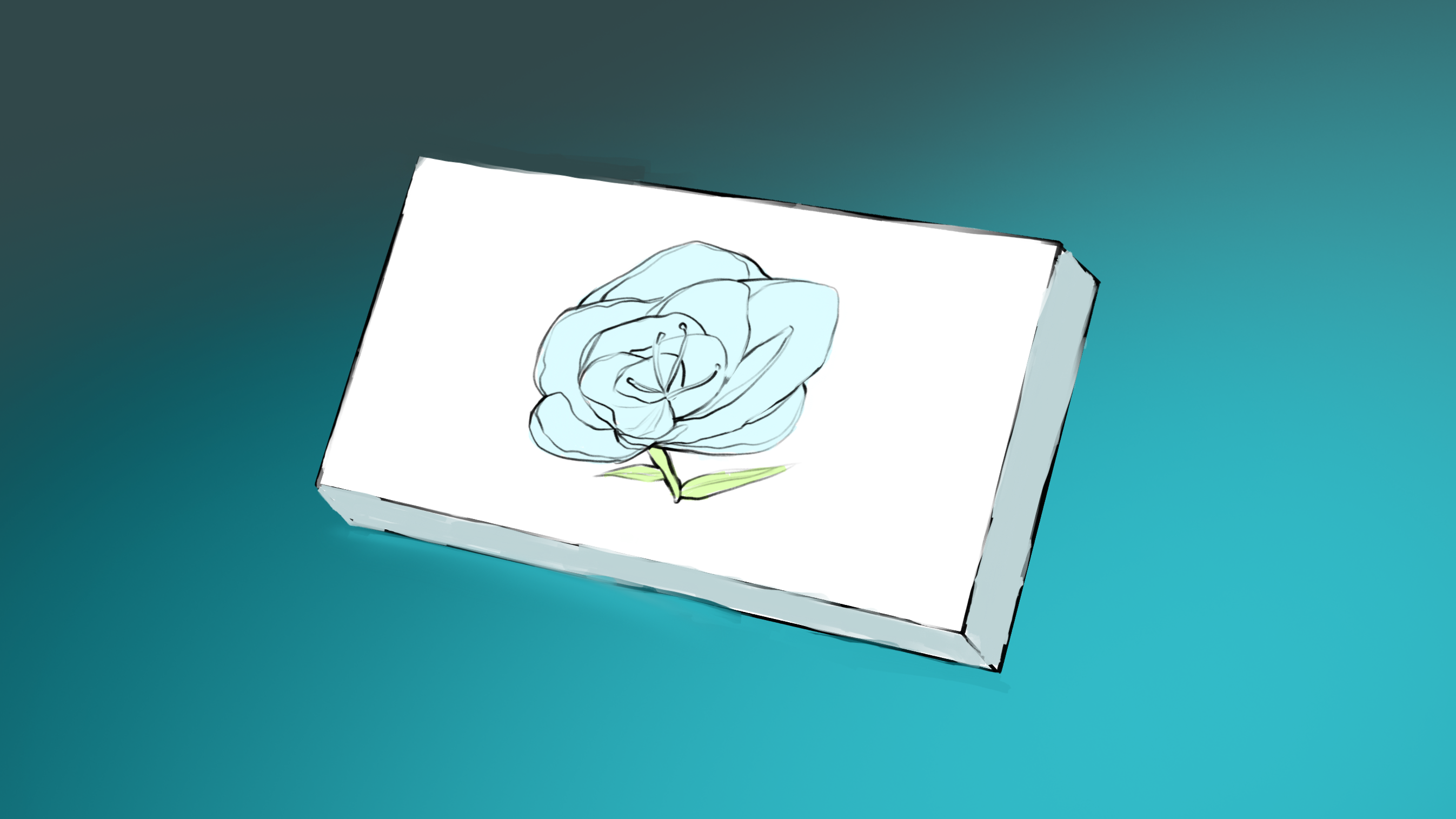
You take your meds and fall asleep, entering a strange dream.
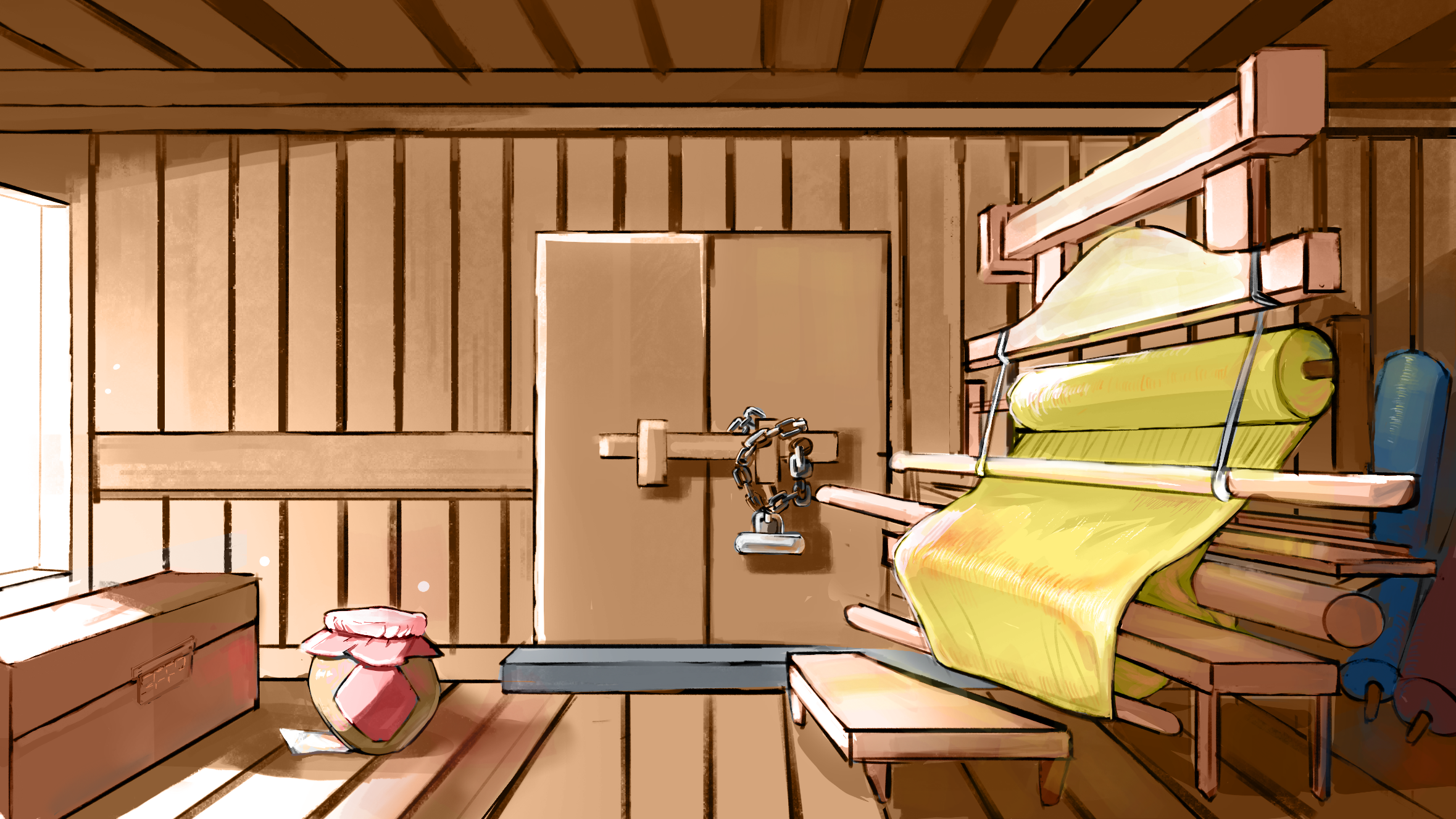
Waking up in an old room, you decide to open the locked door.
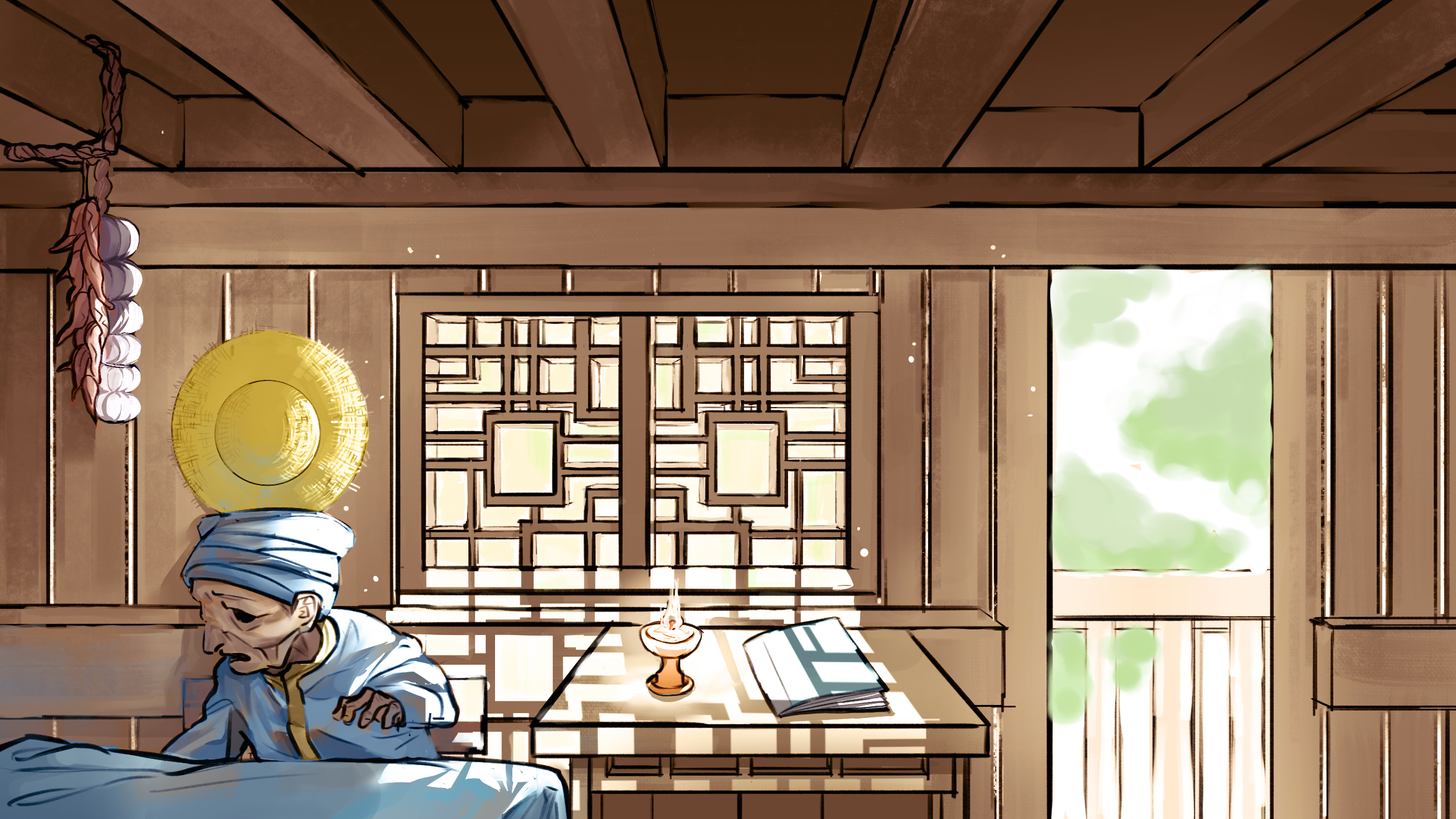
From her diary, you learn Wuhuaka escaped an arranged marriage and grew sick. Her mother dreams of her drifting away in the river.
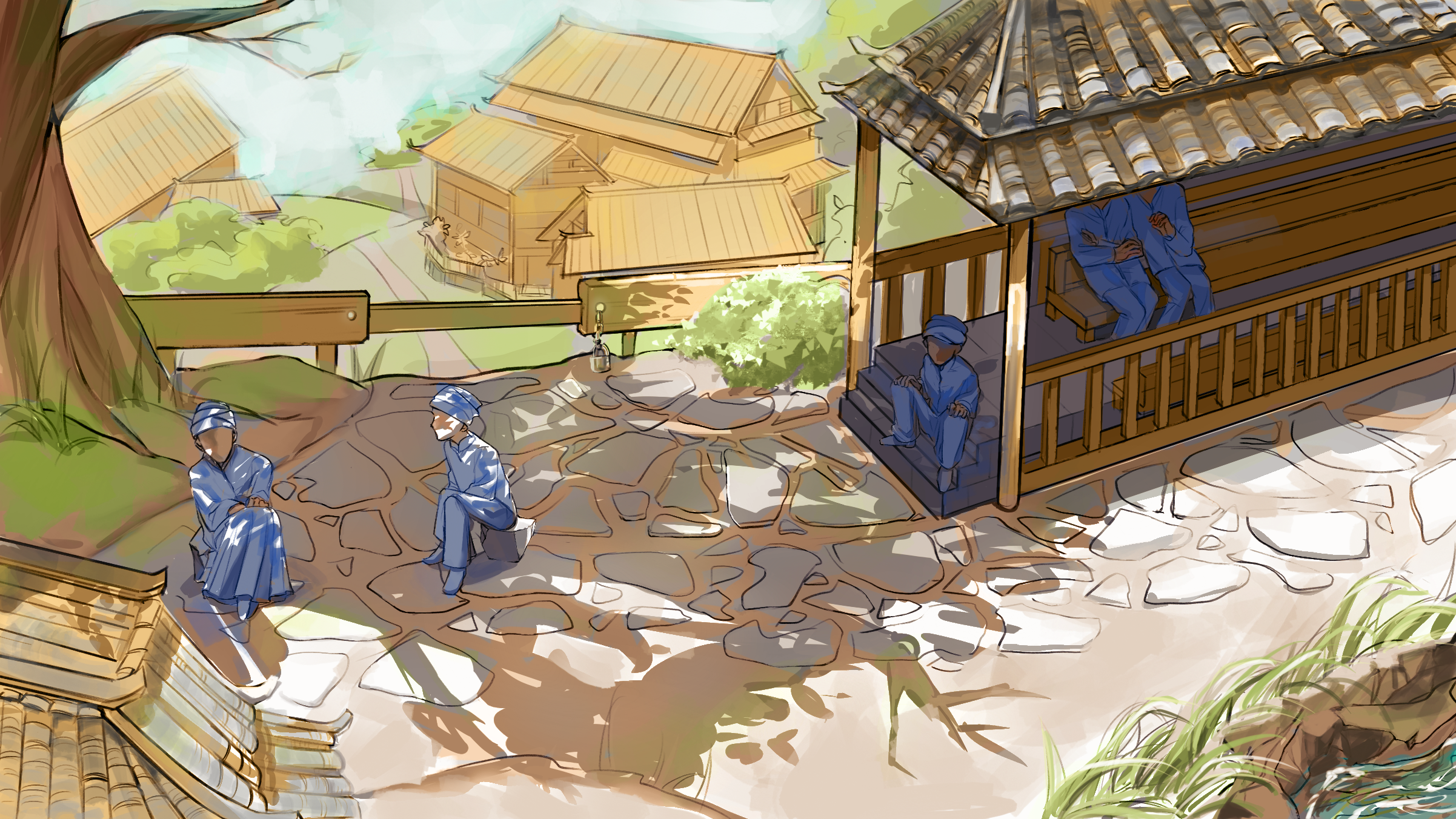
You take the mother’s request and set out to find the man Wuhuaka fled with.
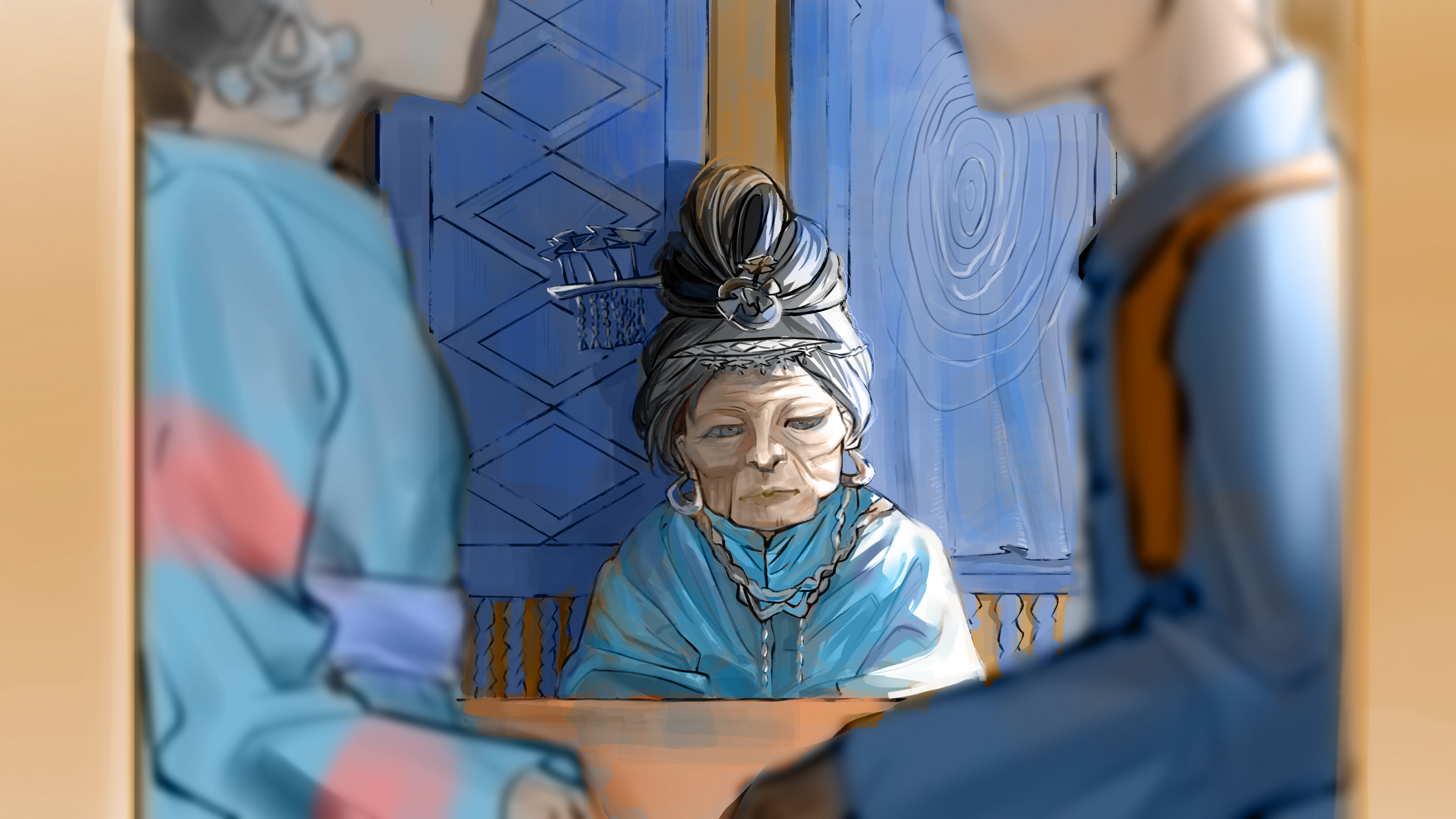
You see the fortune teller in town. She says Wuhuaka is cursed because she escaped from tradition.
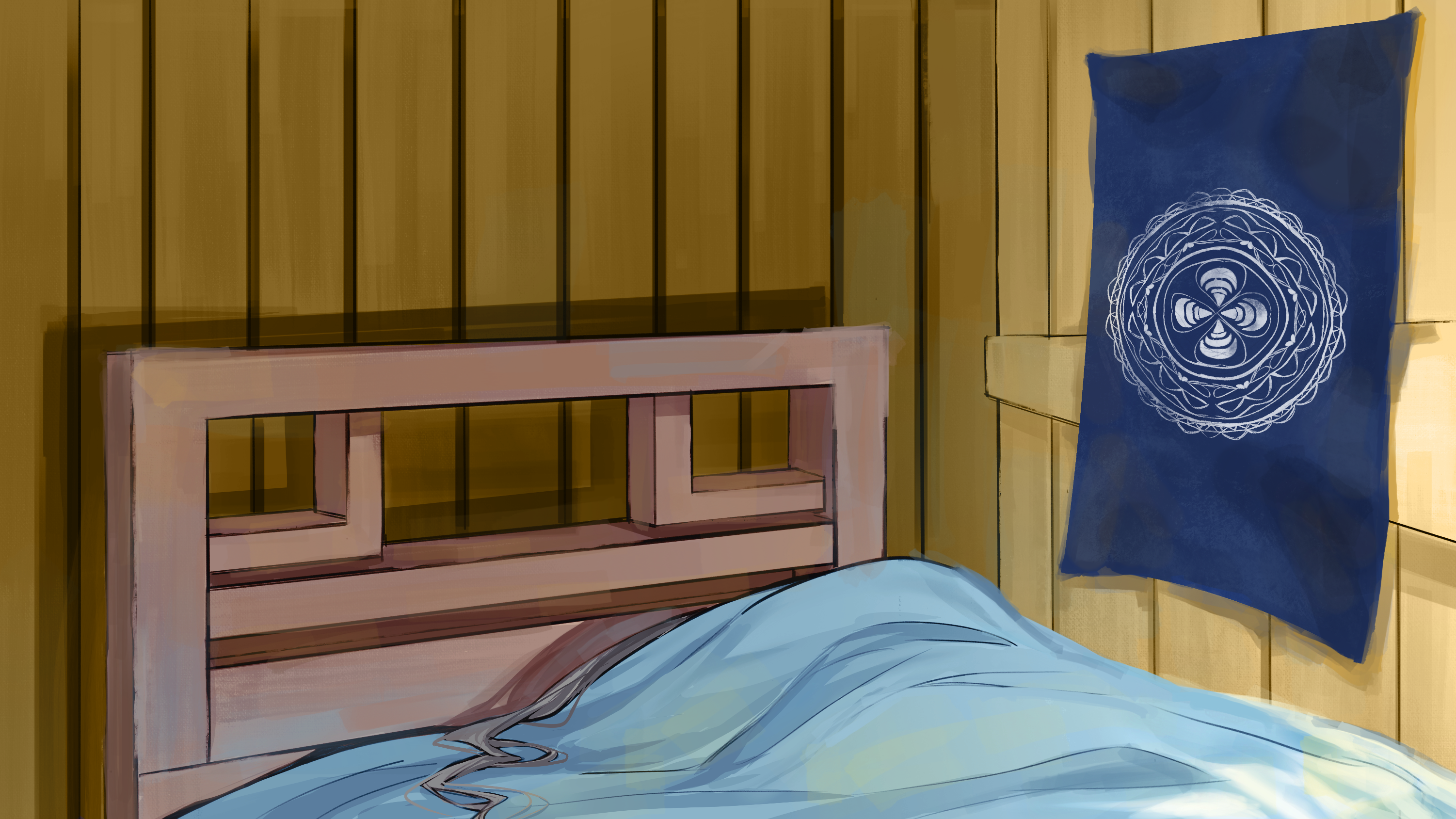
The fortune teller asks you to make an object guided by natural spirits to help Wuhuaka. You bring it back, but nothing happens. The mother then discovers a pattern on it and sends you to the place it depicts.
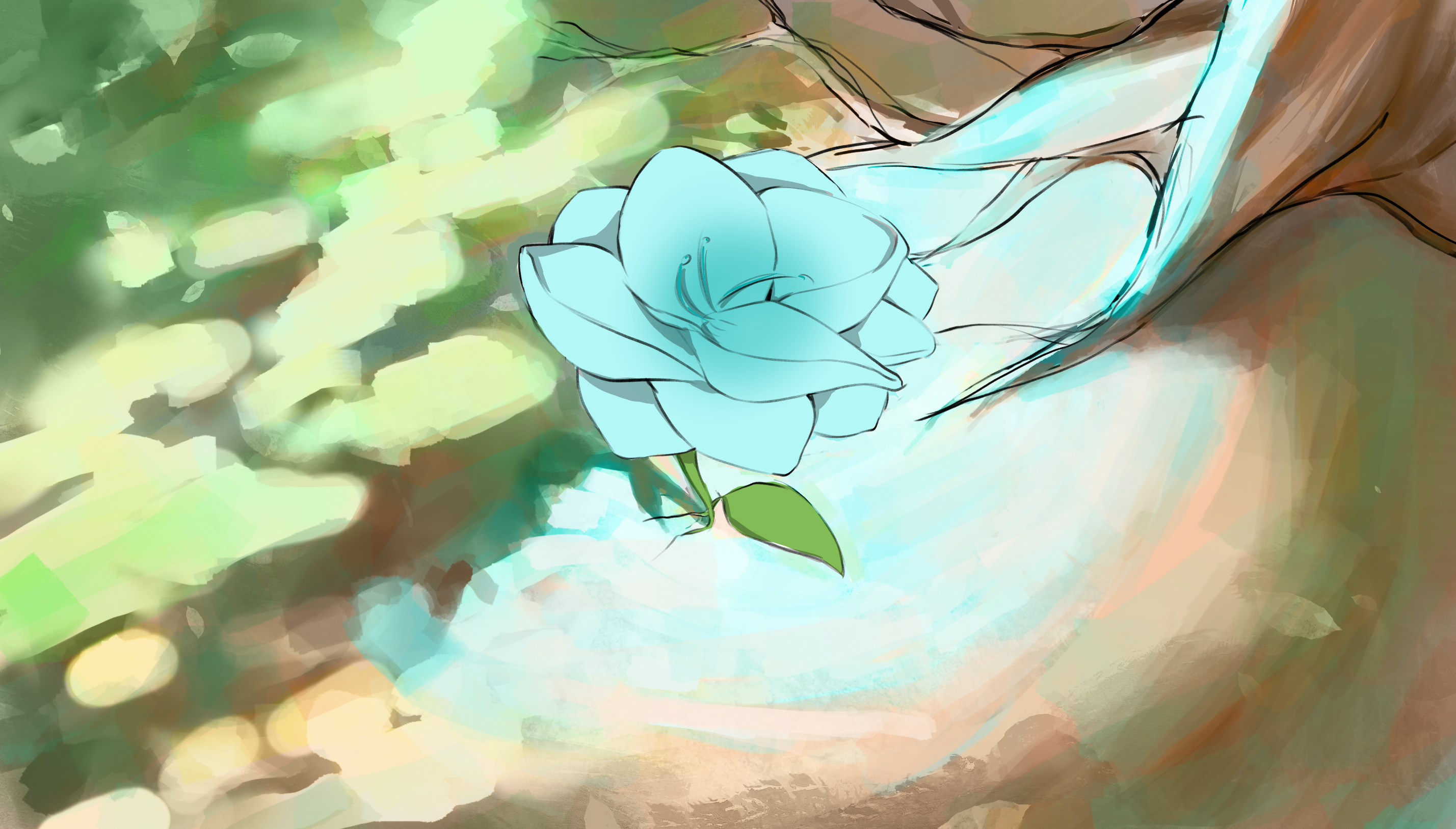
Following the spirit’s guidance, you find a glowing flower that seems to hold the cure.
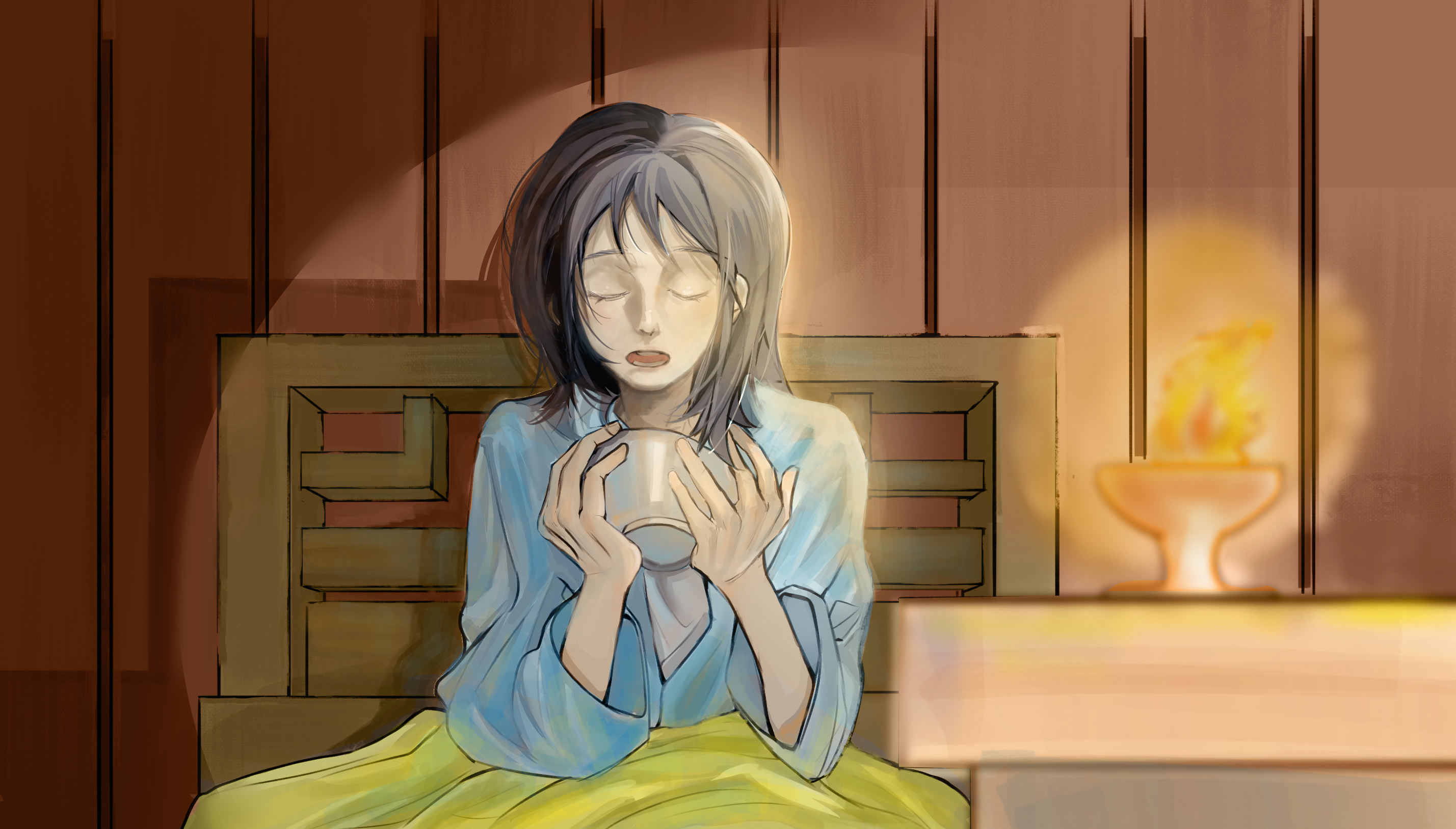
The flower is brought to Wuhuaka. You are asked to make it into a drinkable medicine. She recovers and whispers, “Thank you.” Then, you wake up.
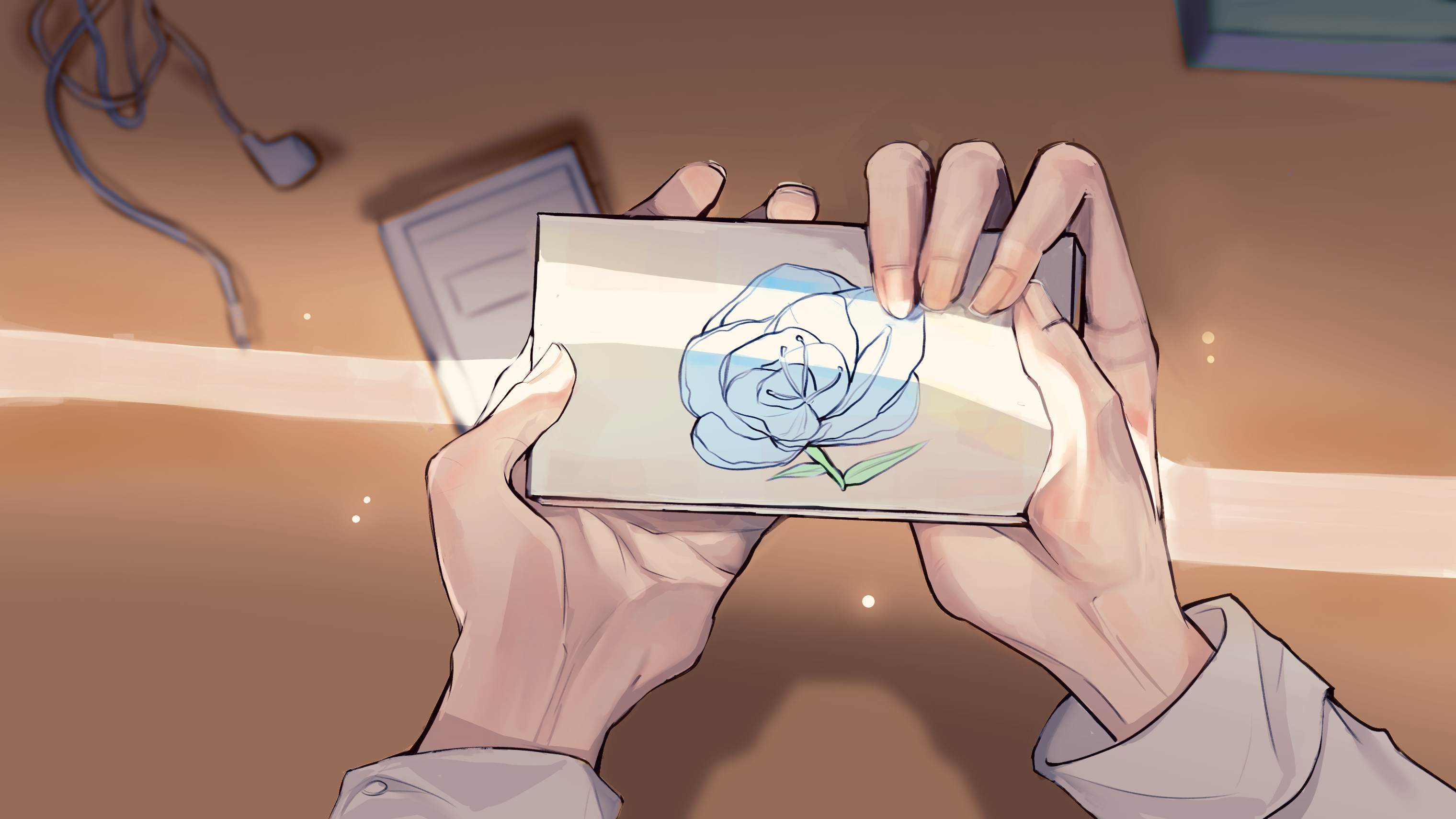
After returning, you search online and learn that Wuhuaka is a goddess from an old myth, who dies in the original story because of people’s superstition.
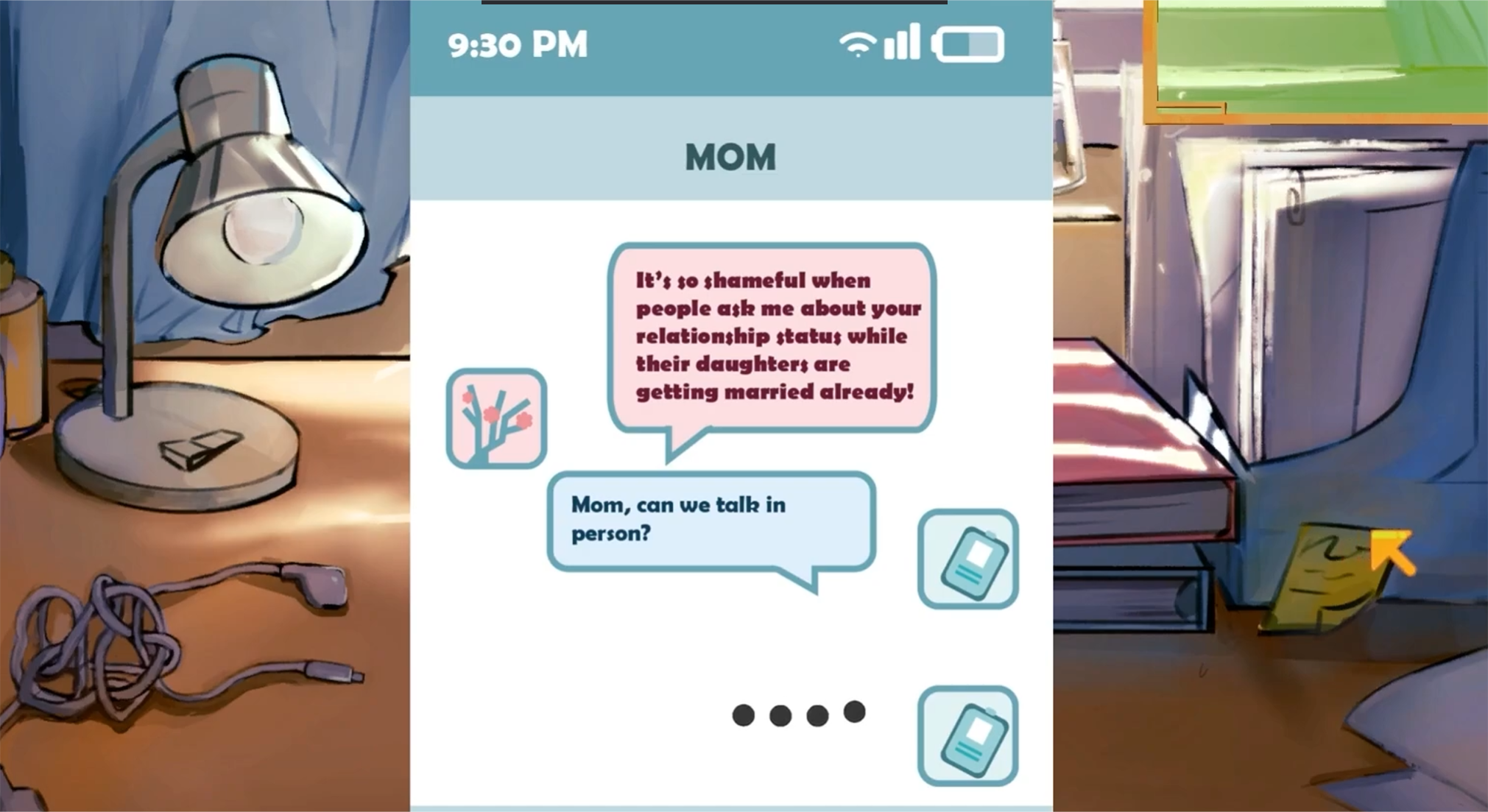
You begin to see the illusion behind what it means to “follow your own choice.” In the end, you decide to confront your struggle by speaking with your mother.
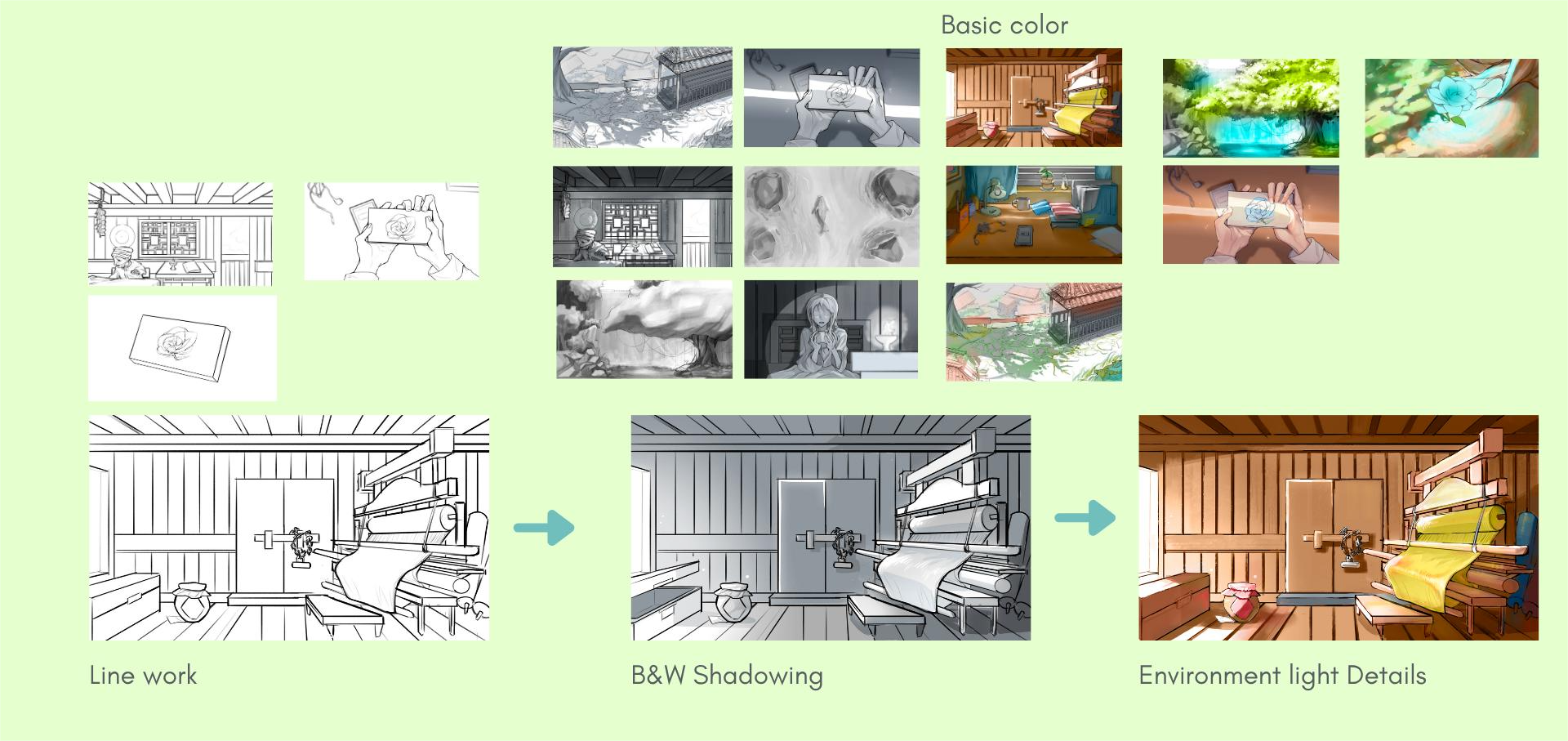
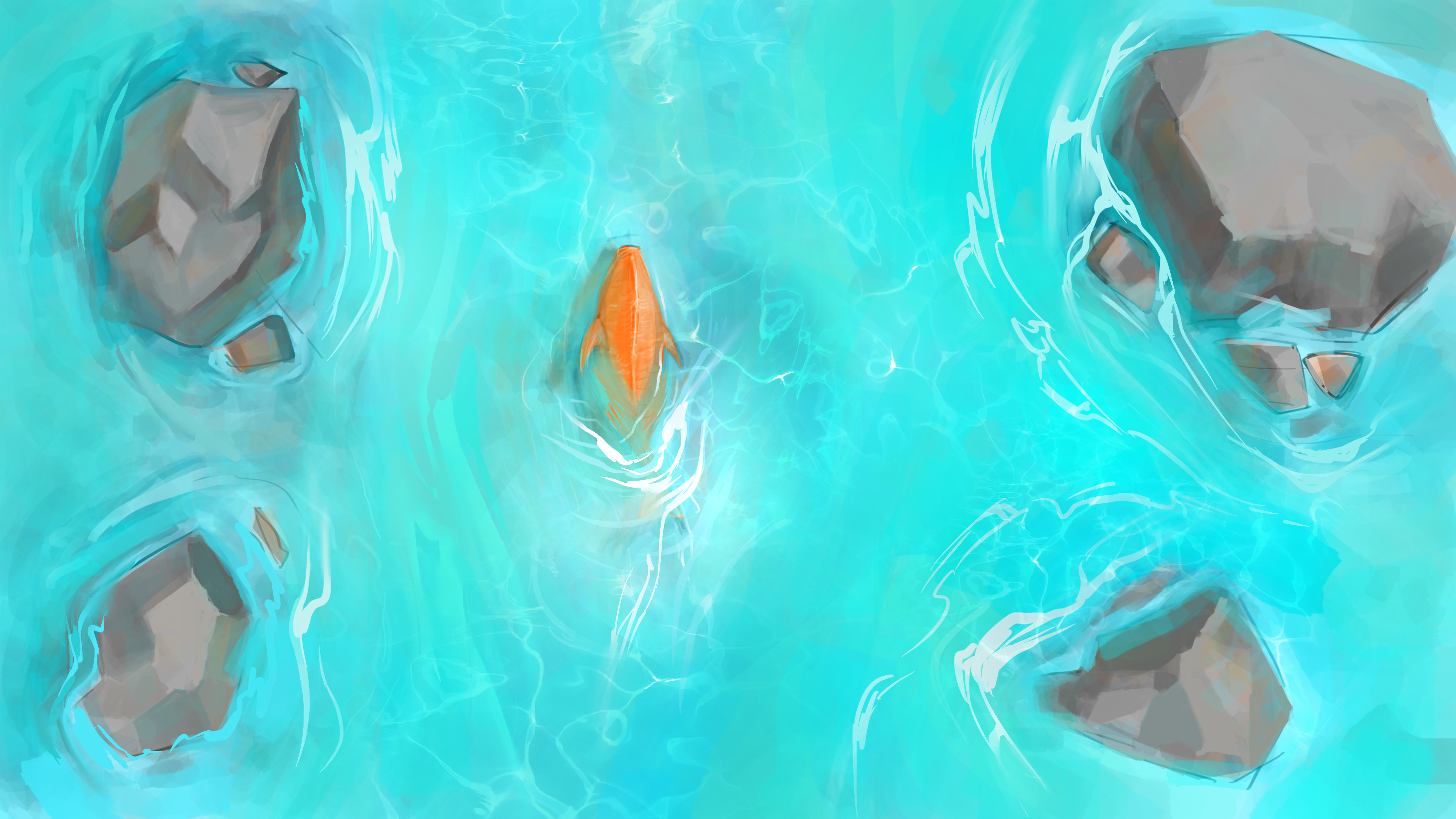
Animations are added as cutscenes for scene transition or peak of lore.
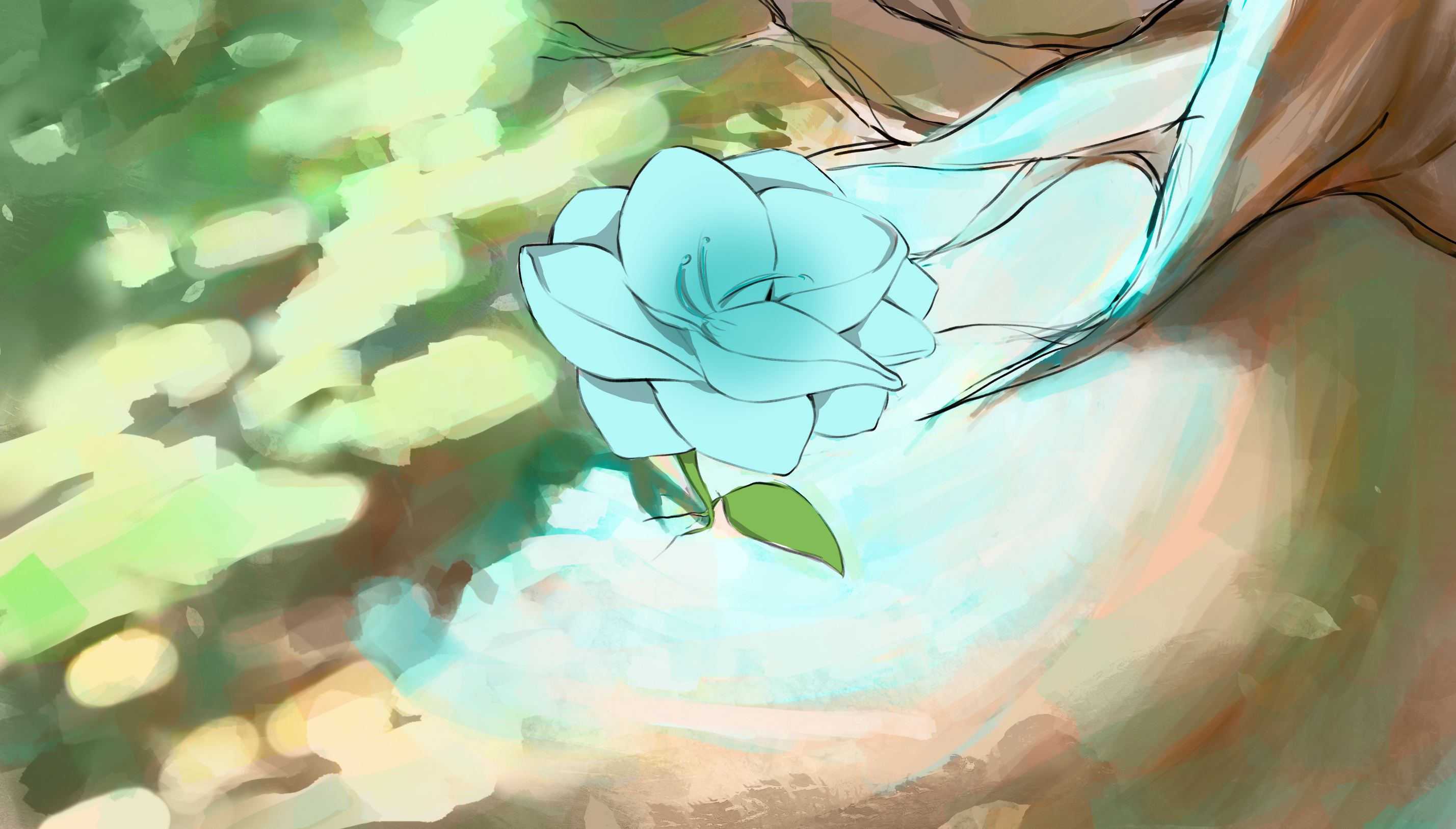
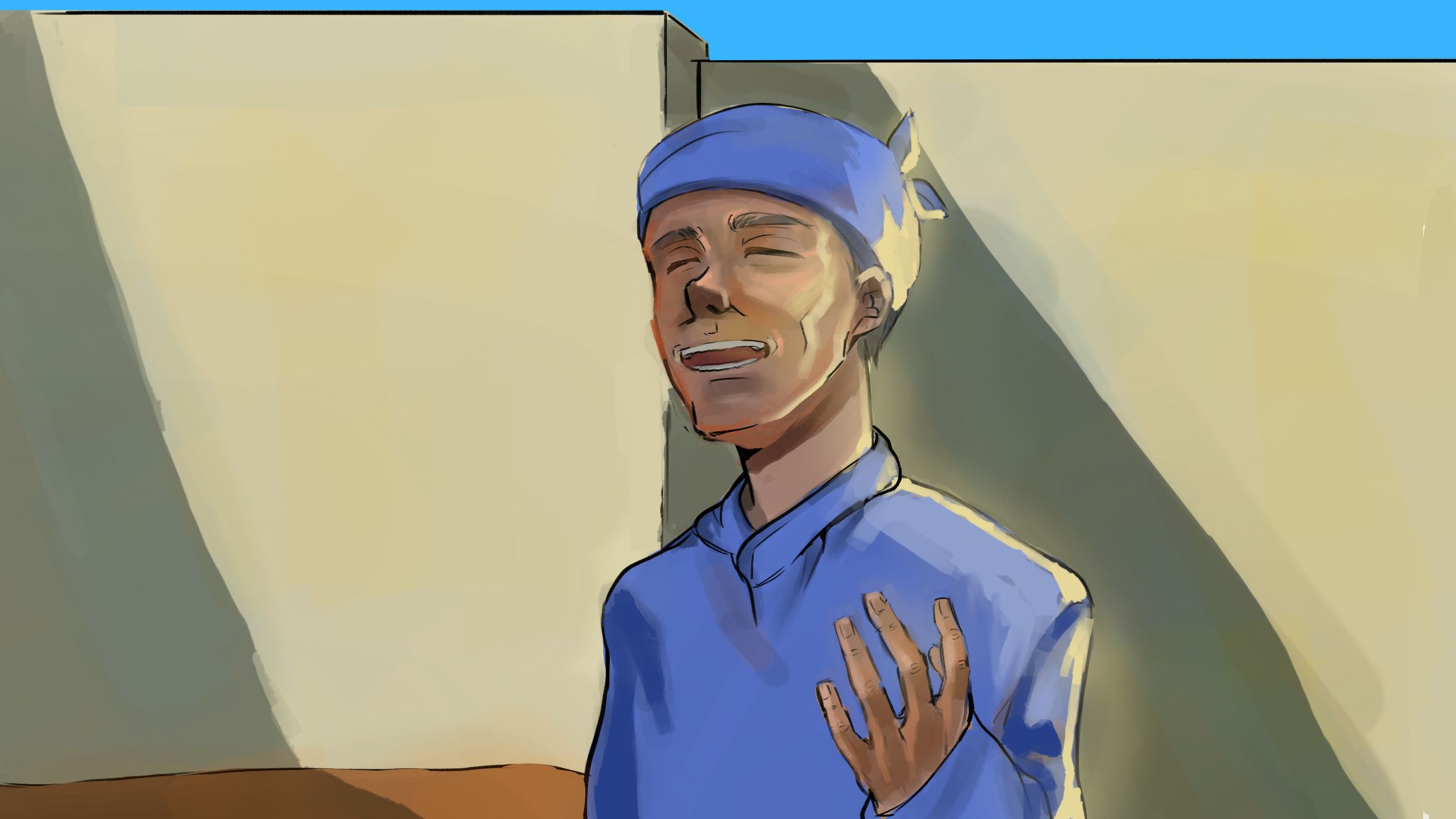
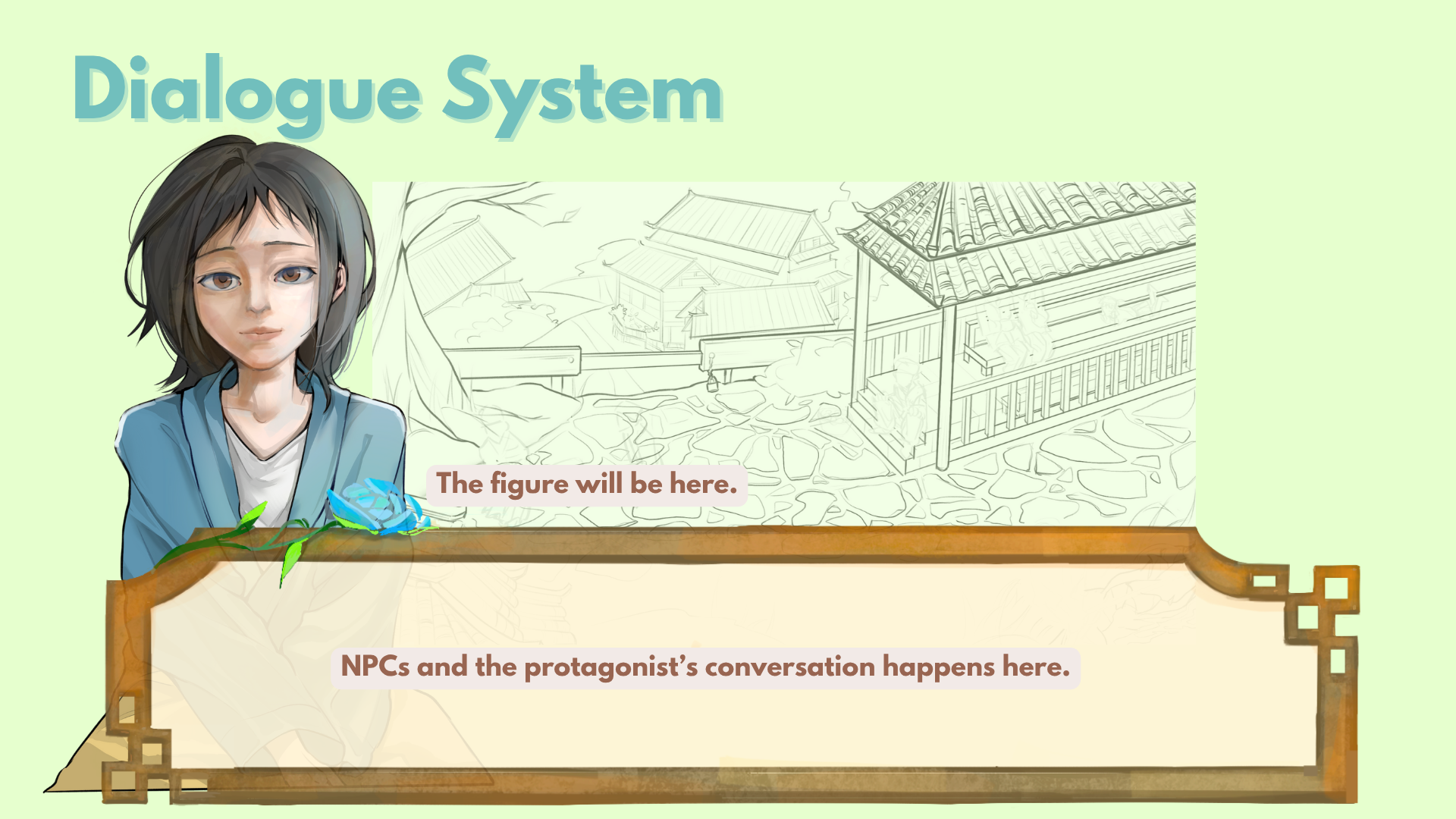
Dialogue system was used in the game to achieve direct narration.
Click and point to interact with personal items.
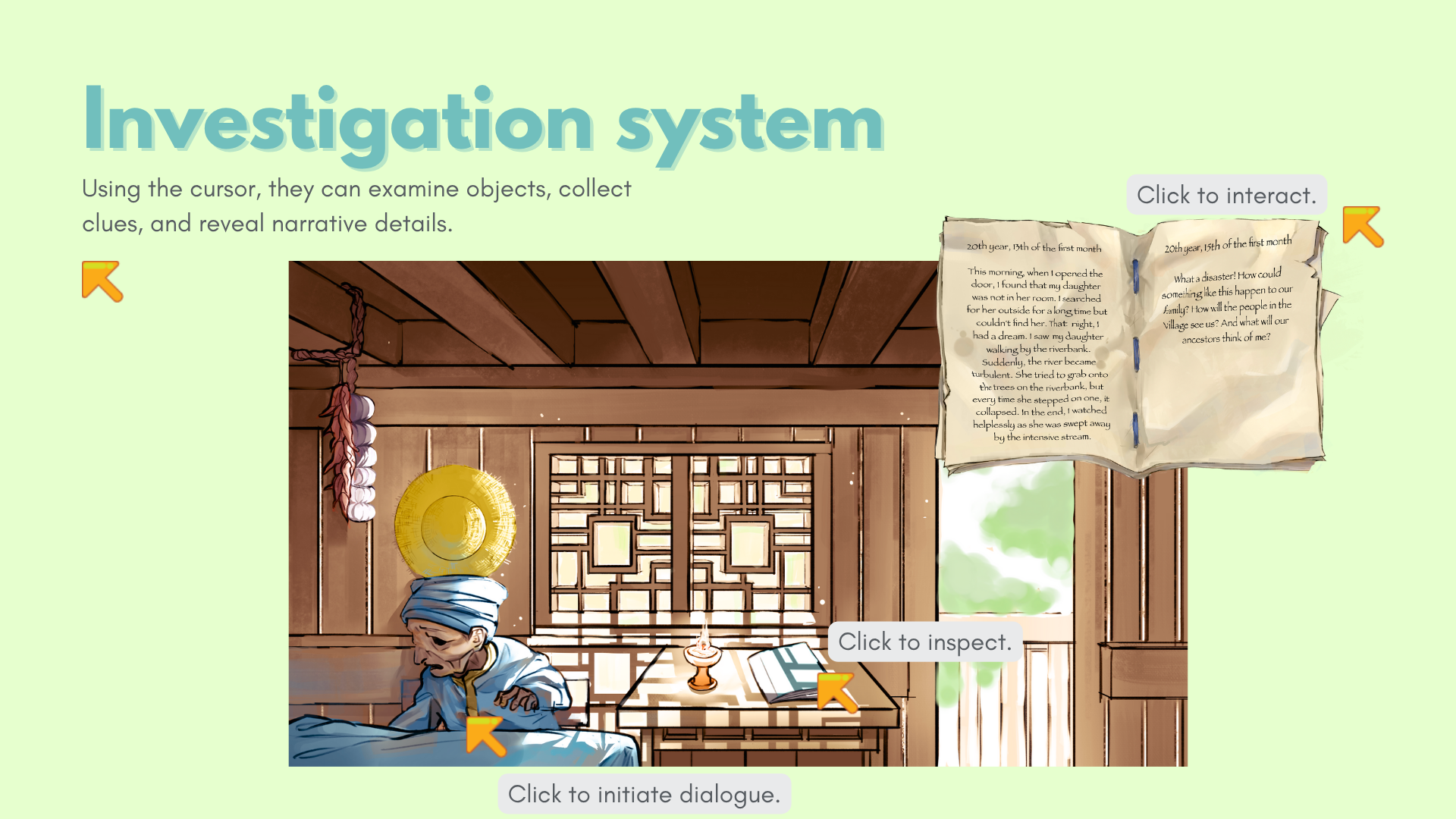
Player can walk around and communicate to gather information.
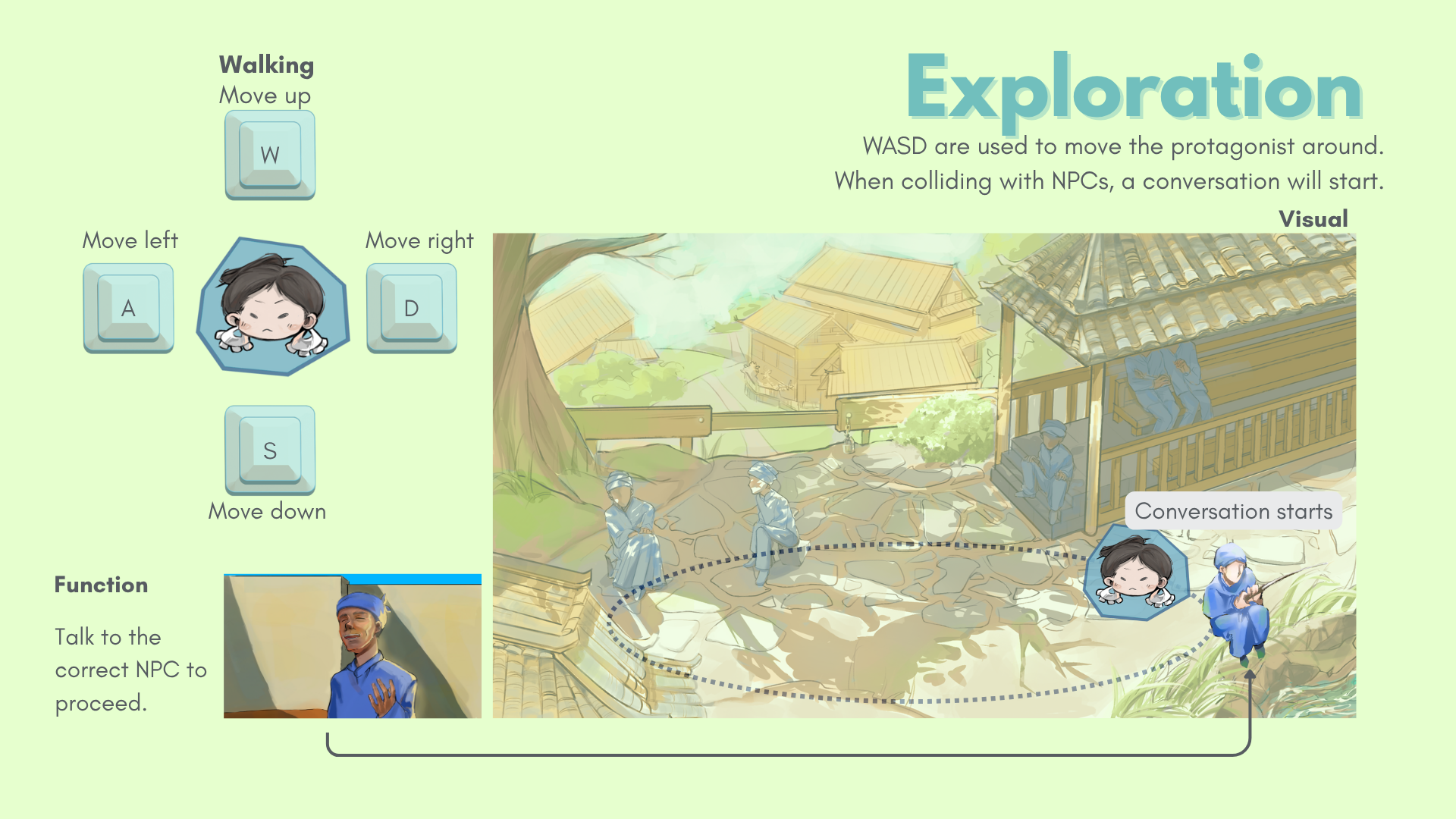
Player can walk around and communicate to gather information.
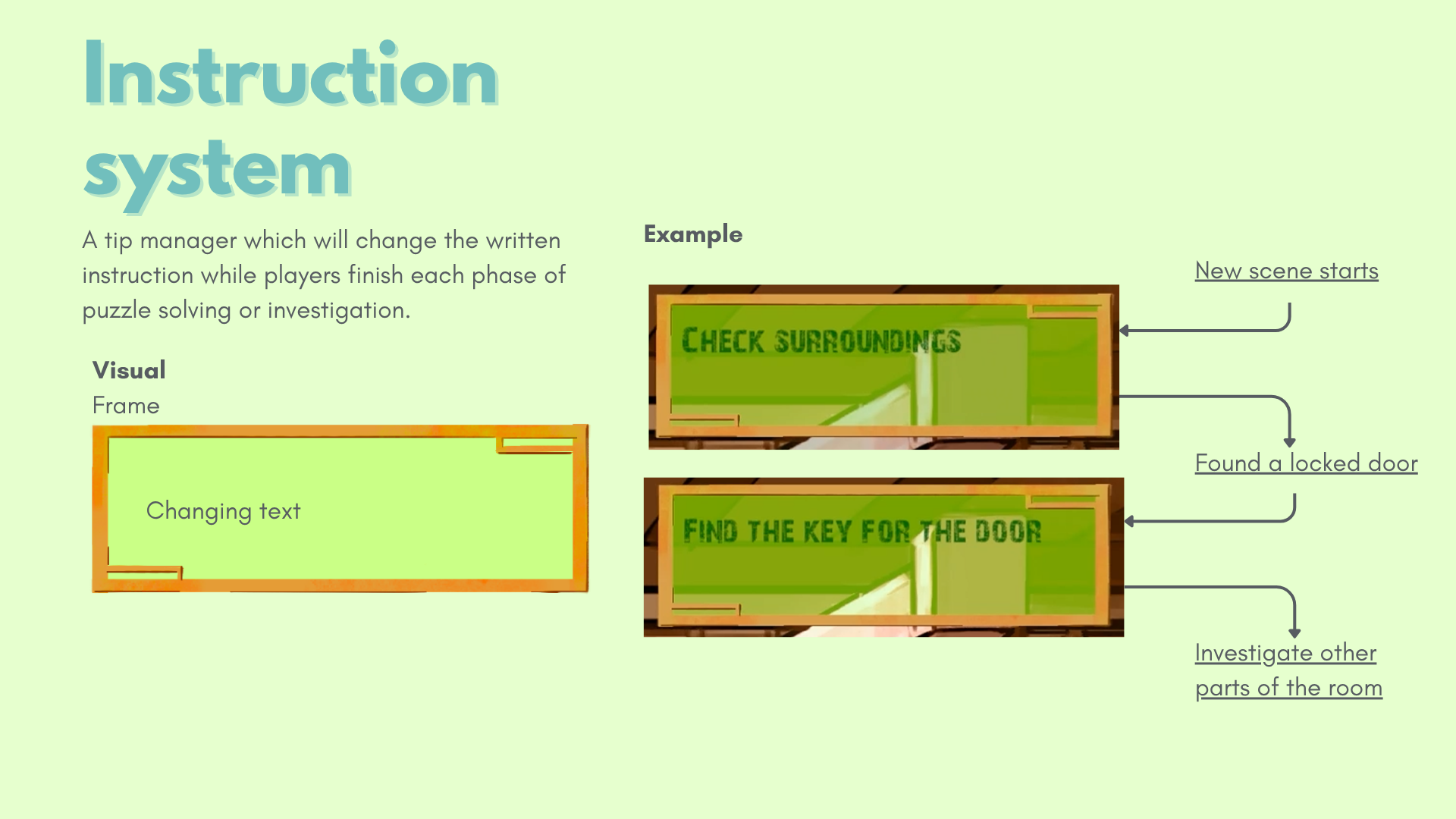
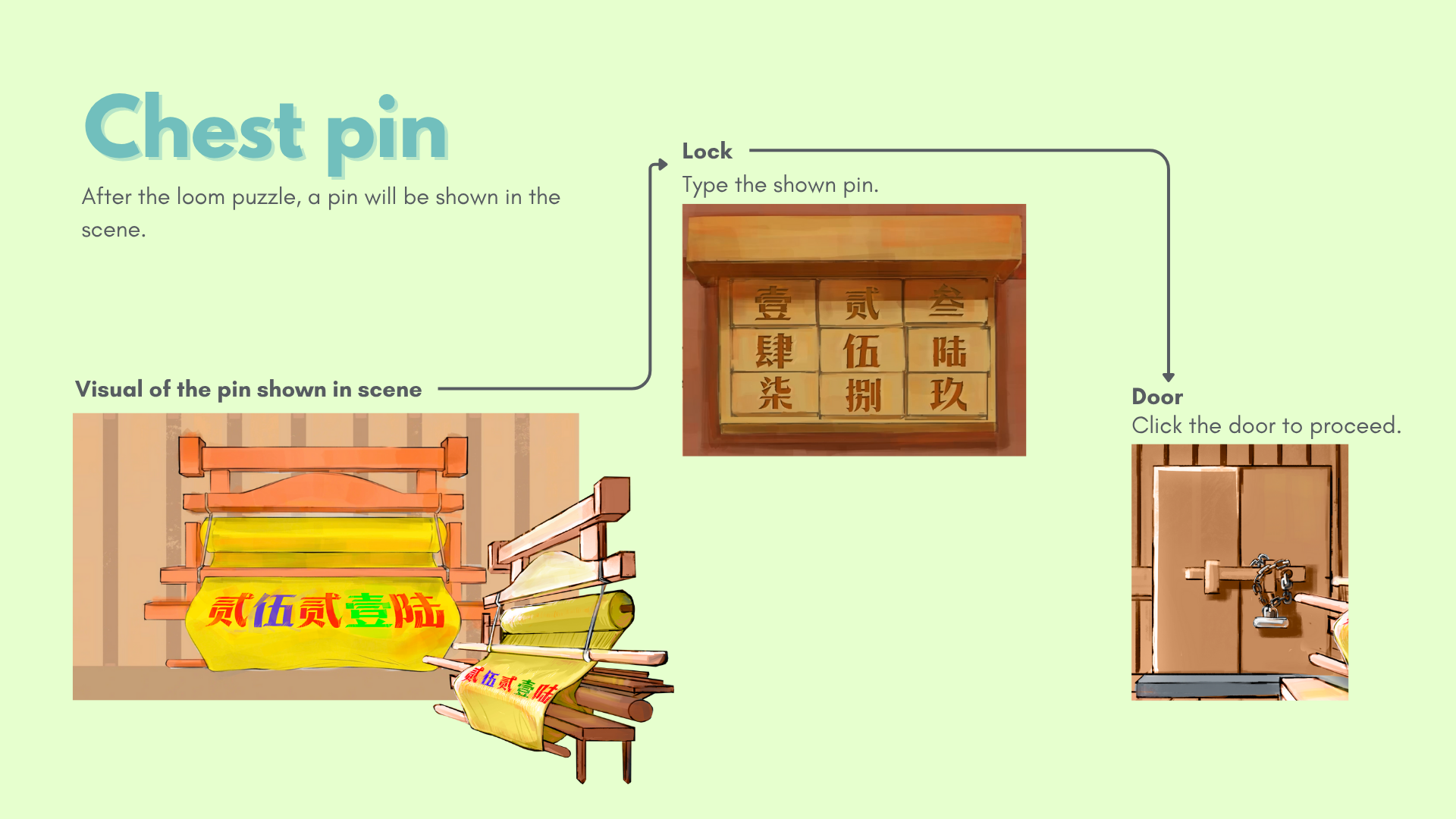
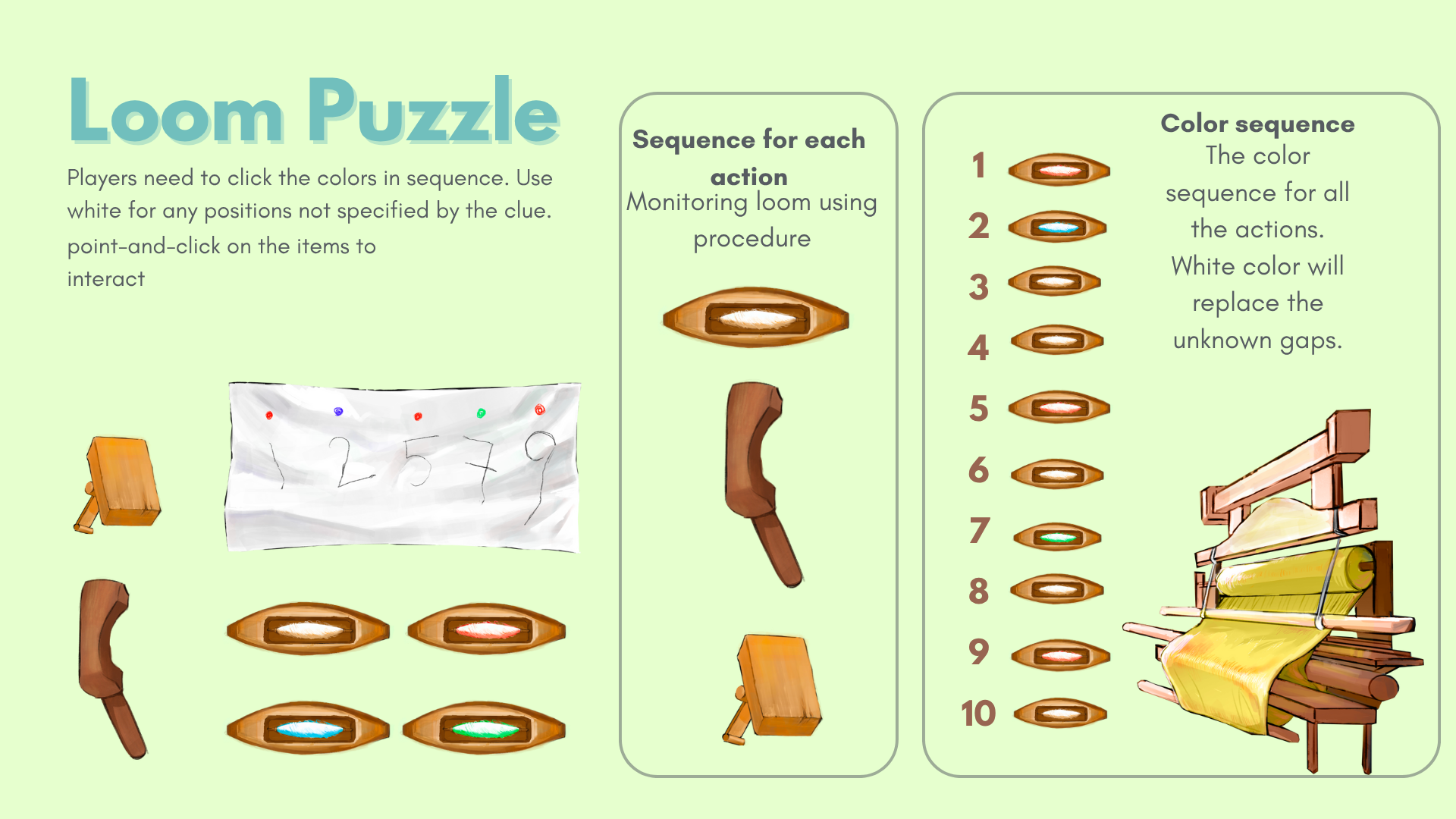
Puzzle designs are bsed on the cultrual products of the setted region. Looming is one of the complex arts.
The loom puzzle requires players to follow a numbered clue and click the colored threads in the correct sequence. Any unmarked positions must be woven with white thread. The solution emerges gradually as each shuttle is clicked into place.
Batik is one kind of dye that Kam people use for saving patterns on a piece of fabric. The puzzle just monitor the process of people pouring candele on the fabric with care.
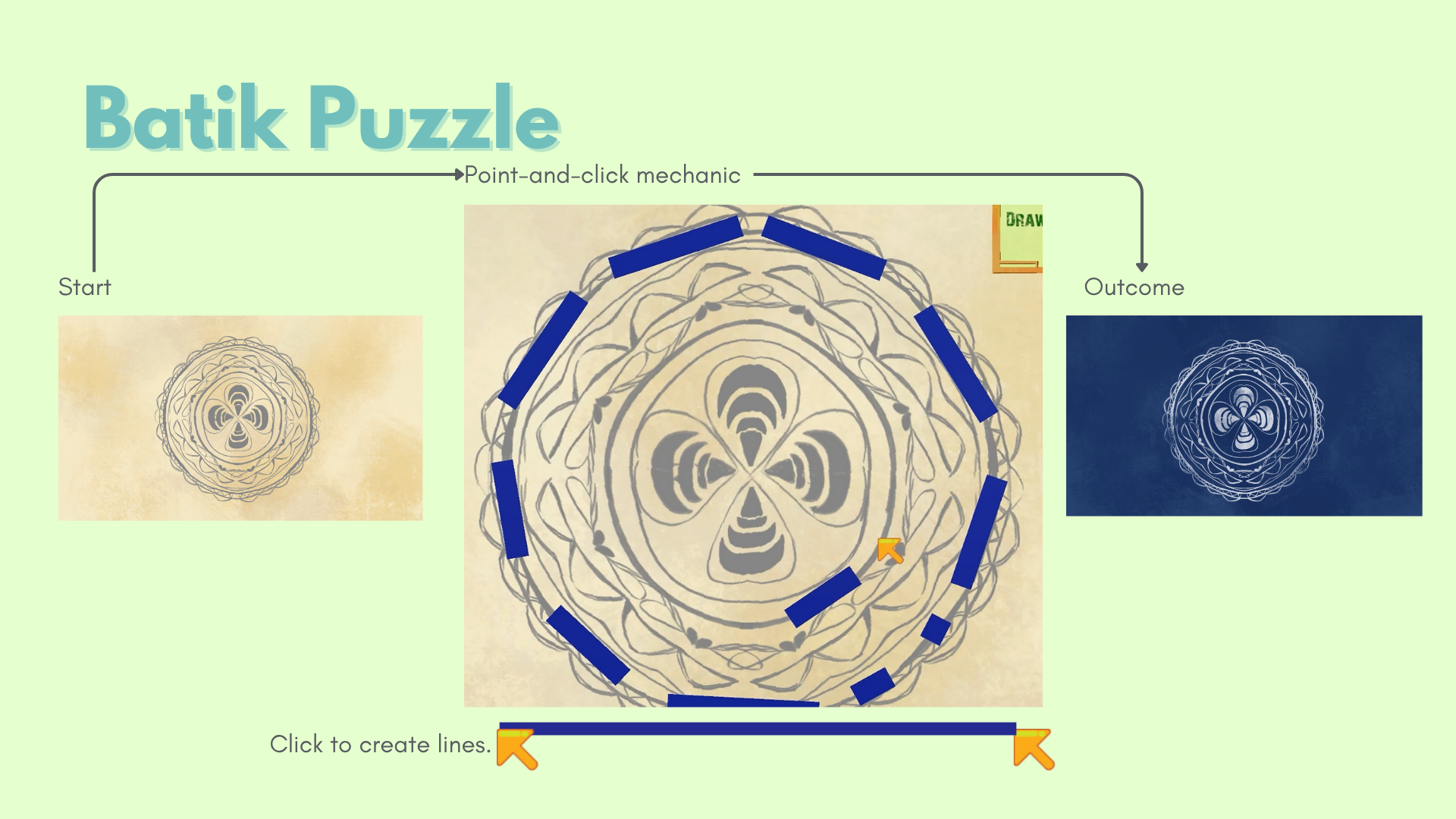
Batik is one kind of dye that Kam people use for saving patterns on a piece of fabric. The puzzle just monitor the process of people pouring candele on the fabric with care.